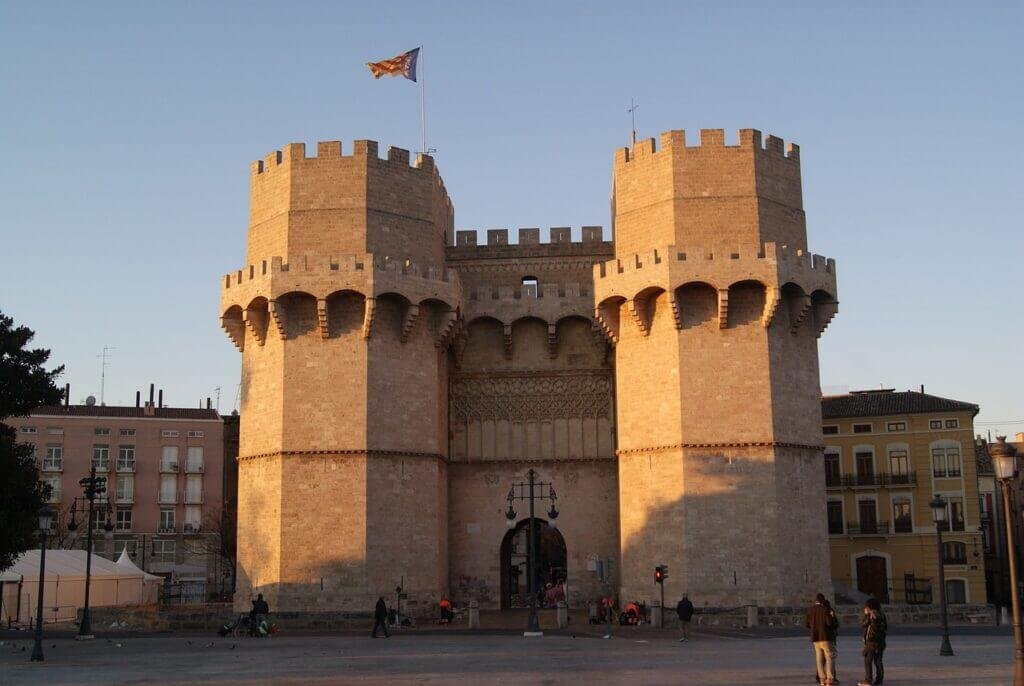
If you want the best orxata in Valencia, here’s your guide to everything you need to know. We’ll go over what it is, where to try it, and some top questions about this sweet drink.
tl;dr: My top pick is Orxateria Daniel out in Alboraia, right next to the fields where the tigernuts are grown. But if you are staying central and do not want to leave the city, El Collado near the Mercat Central is a great second choice.
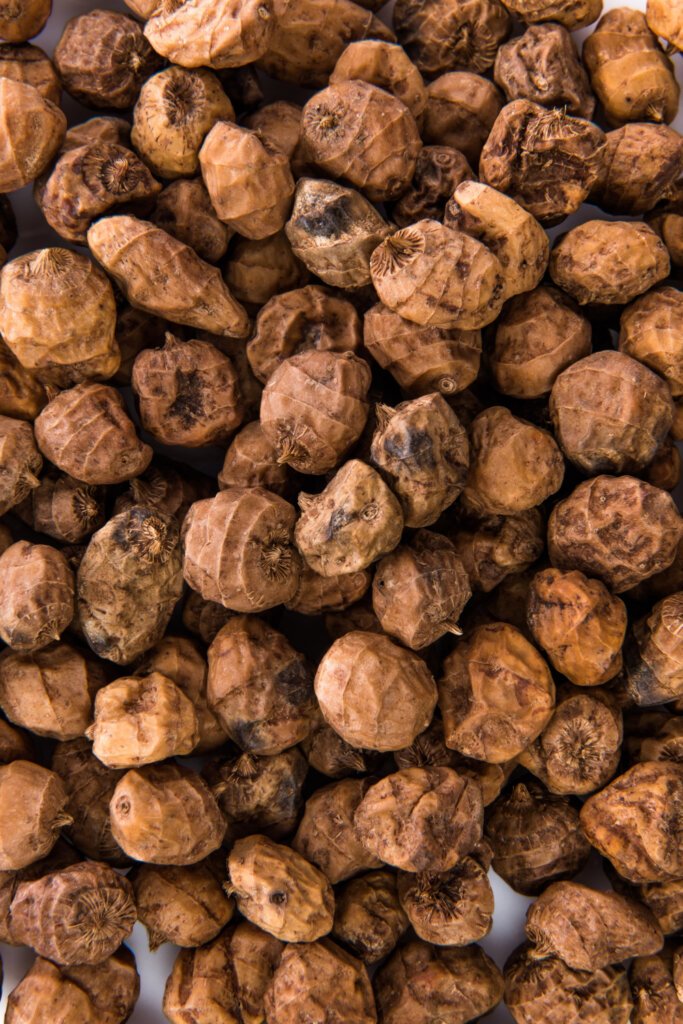
And if you have never had it, orxata is a cold, sweet, milky-looking drink made from xufa (tigernuts), water, and sugar. It is not dairy at all, so it happens to be naturally vegan, gluten free, and lactose free.
I have lived in València since 2018, and my husband is Valencian, so this drink is a normal summer afternoon for us. It’s great for a berenar or to have a cold, alcohol-free beverage.
So below I will walk you through the five best places to get an orxata that I would actually send you to, what the drink even is, and why it can honestly be a bit hit or miss if you order it in the wrong spot.
- The Best Orxata in Valencia (Summary)
- What Is Orxata?
- The 5 Best Places to Get an Orxata in Valencia
- Why Orxata Can Be Hit or Miss
- How to Order Orxata Like a Local
- Enjoy the best orxata in València
- Frequently Asked Questions About Orxata in Valencia
- Want no-stress travel planning?
- Need help planning your trip to Valencia?
The Best Orxata in Valencia (Summary)
Don’t really want me to go into the details? Here’s a quick summary.
- Best overall: Orxateria Daniel, Alboraia, next to the xufa fields, with an easy in-city branch at the Mercat de Colón.
- Best central old-school spot: Orxateria El Collado, in the Ciutat Vella since 1892, a short walk from the Mercat Central.
- Most famous (and a little touristy): Orxateria Santa Caterina, right by the Plaça de la Reina.
- Best fresh orxata in l’Horta Nord: Orxateria Subies in Almàssera, which also does a sugar-free version.
- Best for a full experience: Món Orxata in Alboraia, where you can tour the fields and buy the tigernuts to take home.
What Is Orxata?
Orxata is a cold Valencian drink made from xufa (tigernuts), water, and sugar. It looks like milk but contains none, so it is naturally dairy free and gluten free. However, it is almost always served with a fartó, a sweet pastry.
For anyone that’s never had it before, you can think of it like a sweet almond milk. Doesn’t taste the same, but that’s the closest comparison I can think of.
The tigernuts are grown in the towns just north of the city, and the good stuff carries a protected origin label.
History & Location
The xufa itself, the tigernut, is the dried root tuber of a plant called Cyperus esculentus. Cultivation in the region goes back to the Muslim period, and by the 13th century there were already references to a drink made from the tubers, which you can read more about on the history of horchata de chufa.
These days the tigernuts behind a proper Valencian orxata are protected by the Denominació d’Origen Xufa de València. This was a quality label created back in 1995.
So the ones grown in a cluster of towns in l’Horta Nord, the farmland belt just north of the city, with Alboraia as the traditional heartland. You can check the certified producers on the official D.O. Chufa de València site.
This area makes several million kilos of dried xufa a year, and the official body reports that around 90 percent of that harvest is certified under the origin label, according to this piece on Valencian horchata.
If you want the wider picture of what the region eats and drinks, I go through it in my guide to typical food from Valencia, and orxata comes up again in my roundup of what Valencia is famous for.
Orxata vs Horchata: What Is the Difference?
Orxata and Horchata are two names of the same drink.
However, orxata is the official name in Valencian, the autoctonous language here.
Horchata is the translation in Spanish.
You’ll see both on stores, etc. But the original name is Orxata, so I’m sticking to that throughout my blog.
That said, there is one confusion worth clearing up. If you know horchata from Mexico or the US, that version is usually made from rice and cinnamon… that is a COMPLETELY different drink. The Valencian one is made from tigernuts, so do not expect the same flavor.
Either way, when you are in Valencia, ordering “una orxata” in Valencian is a nice small touch. I keep a running list of these in my guide to useful Valencian expressions if you want a few more.
The 5 Best Places to Get an Orxata in Valencia
So here are the five spots I would actually point you toward, roughly in the order I would send a friend to them. A couple sit right in the center, and a couple are worth the short trip out into l’Horta Nord.
1. Orxateria Daniel (Alboraia, the Mercat de Colón, and the City Center)
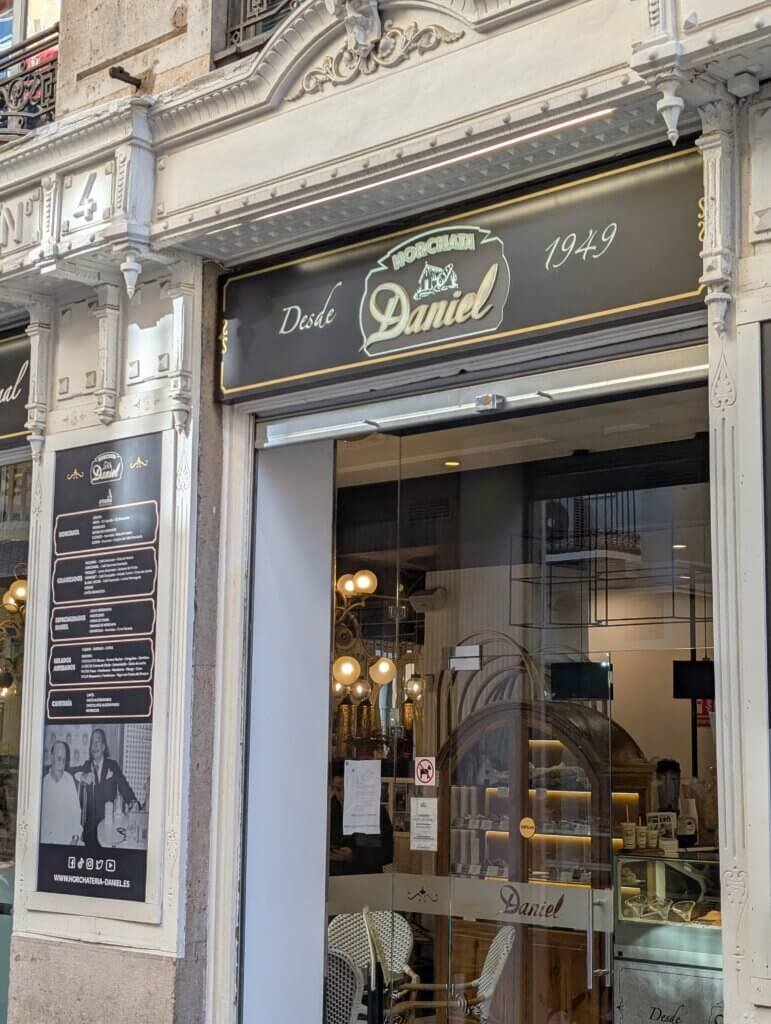
If you only make it to one place, make it Daniel.
The original is out in Alboraia, on the aptly named Avinguda de l’Orxata. Plus, it’s right next to the fields where the xufa is grown. So you are drinking it about as close to the source as you can get.
I tend to suggest people try a “mitja i mitja”, half orxata and half granissada, so it comes out semi-frozen and slushy rather than fully liquid.
Order it with a warm farton for dunking and you are set.
Getting out there takes roughly 20 to 25 minutes north of the center. You can take Metro Line 3 toward Alboraia and walk from the stop, or it is a pleasant bike ride if you’re coming in the Spring or Fall
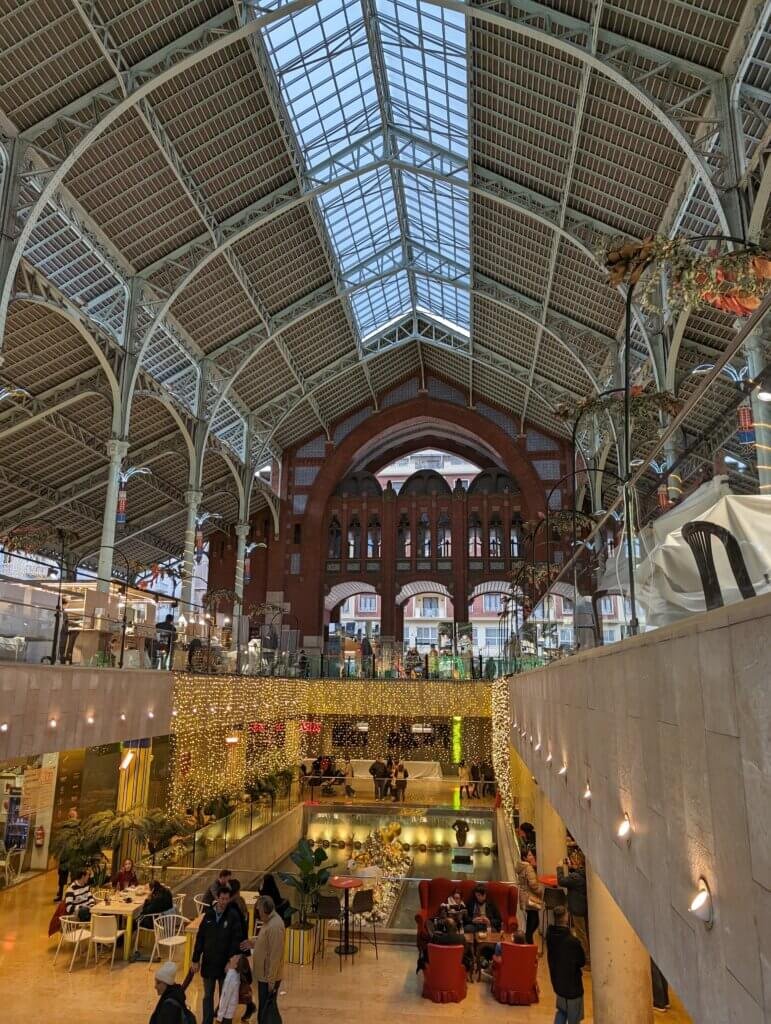
Now, if you really want to stay towards the center, Daniel’s also has a branch tucked inside the beautiful Mercat de Colón, that old Modernista market hall in l’Eixample.
The orxata is the same, and the setting is genuinely lovely. I cover that building in my guide to the best markets in Valencia.
2. Orxateria El Collado (Ciutat Vella, since 1892)
For a central option that still feels real, this is my pick. El Collado has been pouring orxata in the old town since 1892.
Now, this is a no-nonsense kind of bar. It’s a traditional shop with limited places to sit.
It sits a short walk from the Mercat Central, so it slots perfectly into a morning in the Ciutat Vella. Granted, they run split hours and close in the early afternoon, so aim for late morning or the evening.
If you come close to Les Falles, they also make fresh bunyols, which is a whole other reason to stop in. I talk about those and more in my guide to the best bakeries in Valencia.
3. Horchatería de Santa Catalina (Ciutat Vella)
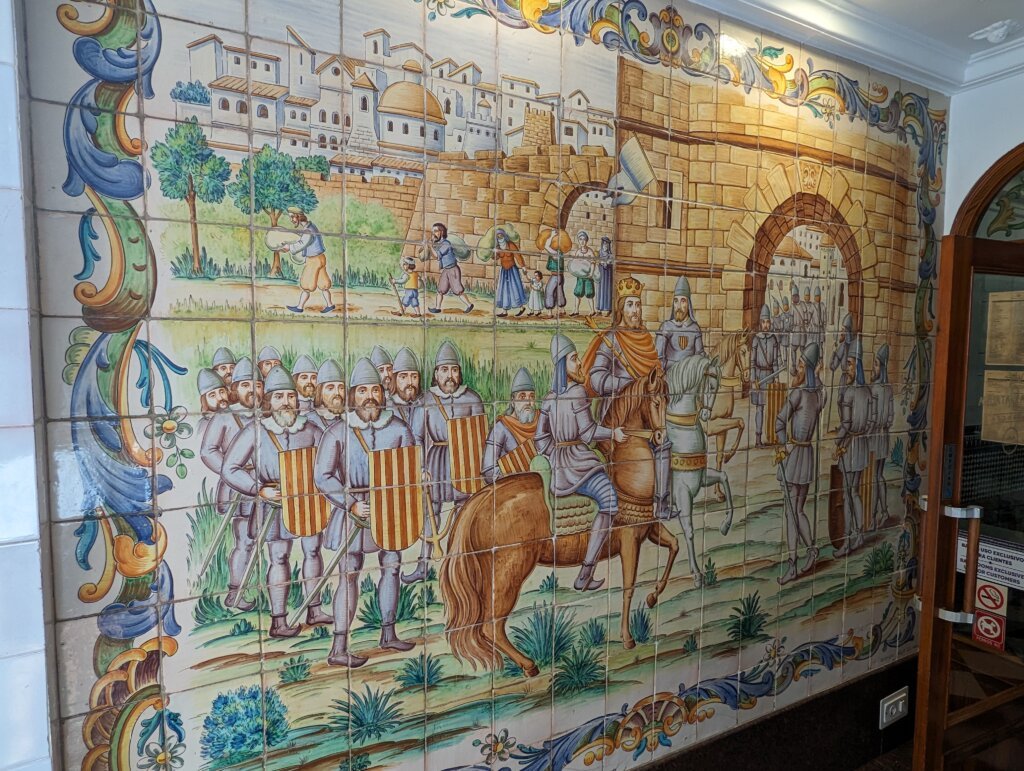
The Orxateria de Santa Caterina (the Valencian name) is probably the most famous one now. It’s right off the Plaça de la Reina, it has been going for generations, and the tiled interior is gorgeous.
So if you want to see what a classic bar from the last century looks like – here’s a great spot.
That said, it is also the most tourist-heavy spot on this list, and personally I find the orxata a touch too sweet.
In other words, I would come here for the overall experience and convenience. But I think they’ve become more of a “tourist spot” than anything else now.
So I would treat it as a convenient, atmospheric stop if you are already sightseeing near the Cathedral, rather than a pilgrimage.
It stays open all day, every day, which does make it the easy fallback when other places are closed.
But all the other restaurants in this area are kinda terrible… So I flag those in my guide to tourist traps in Valencia.
4. Orxateria Subies (Almàssera)
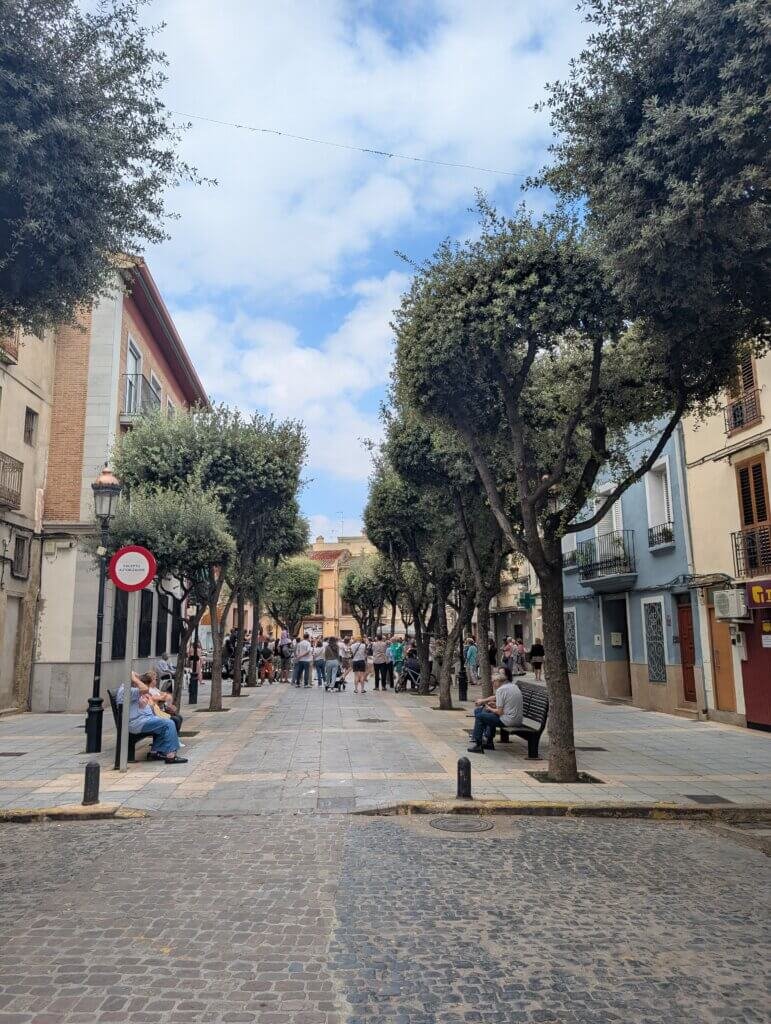
So I get this probably isn’t on a lot of lists, but here me out.
If you are the type who wants the freshest possible orxata and does not mind a (very) short hop out of town, Subies in Almàssera is a really cool place to try.
It’s one of those spots that have been there for generations. Super traditional, orxata is amazing, and it’s not hard to get here either.
One thing I really appreciate is that they do a sugar-free version, which is rarer than you would think and handy if you find the standard one too sweet.
Almàssera is easy to reach on Metro Line 3, roughly the same direction as Alboraia.
So you could realistically pair it with a beach afternoon at La Patacona, which I cover in my guide to the best beaches in Valencia.
Plus, this is a great way to get to know some Valencian towns, which are VERY different from what you see in the city.
5. Món Orxata (Alboraia)
Last one is more of an experience than a café. Món Orxata is based in Alboraia, and beyond selling the drink they let you actually see where it comes from. You can even bookvisits out to the xufa fields and the drying rooms.
So this is the one I would send you to if you are a curious traveler who wants the whole story, not just a glass.
You can also buy bags of the raw tigernuts to take home and make your own orxata. Which obviously is a much cooler souvenir than a fridge magnet.
I get into that idea more in my post on the best souvenirs in Valencia.
One heads-up: their main shop keeps limited weekday hours and tends to be closed on weekends, so check before you go.
If you would rather have the visit organized for you, a guided Valencia food and culture tour is a nice way to fold orxata into a wider tasting, and I list more options in my guide to the best food tours in Valencia.
Why Orxata Can Be Hit or Miss
Sooooo the fact is, not everyone is gonna love orxata. Besides the fact that not all orxates are made equally, there’s also the personal tastebud factor.
The biggest issue is freshness. The best orxaterias make theirs fresh, often daily, from D.O. tigernuts.
But plenty of generic bars, kiosks, and supermarkets serve a version reconstituted from powder or long-life cartons, and it just is not the same drink. If a place specializes in orxata, that is usually a good sign.
Sweetness is the other one. Traditional recipes can be quite sweet, and some touristy spots lean into that hard. So if you prefer it less sugary, look for places that make it fresh, or seek out a sugar-free option like the one at Subies.
Then there is the format, which trips up a lot of first-timers. You will usually be offered it líquida (fully liquid), granissada (semi-frozen and slushy), or mitja i mitja (a mix of both).
On a hot day I almost always go granissada or mixta. To be fair, that is personal taste, so try more than one if you can.
And finally, there’s the fact that some people just don’t like it. I have to be honest, it’s a very unique flavor. And not everyone is that adventurous.
However, if you go somewhere like Daniel’s, you can find non-traditional versions that can be a little more appealing to foreigners. For example, my mom really loves their version that mixes orange juice and the slushy orxata.
How to Order Orxata Like a Local
None of this is complicated, but a few small habits will make the whole thing smoother and a bit more fun.
First, get a farton with it. Fartons are those long, soft, glazed pastries made specifically for dunking into orxata, and they are the classic pairing.
Do not confuse them with churros, which belong with hot chocolate instead.
Second, treat it as an afternoon thing. Locals mostly drink orxata as a berenar, that mid-to-late afternoon snack break, rather than first thing in the morning. As always, valencians love their food rituals, just like with their esmorzaret.
Third, on price, expect somewhere around three to four euros for a glass, a little more with a farton. Valencia isn’t cheap any more, and orxata can creep up in touristy spots, so it is worth noting where you are paying for the location rather than the drink.
And when you are done, catching the waiter’s eye and asking for “el compte, per favor” is all you need. Tipping is not expected here, so rounding up or leaving a euro is plenty, which I explain more in my guide to tipping in Valencia. If you want to keep leaning into the local language, my post on where to learn Valencian is a good next step.
Enjoy the best orxata in València
I truly do enjoy orxata, especially for the summer and you get a nice cold slushie version. My husband’s family always orders a bunch and we have a big picnic to celebrate the beginning of summer. So it’s a fun tradition.
If you have any questions or want extra support on how to get to each of these locations, just reach out.
Bon viatge,
Kevin
Frequently Asked Questions About Orxata in Valencia
Orxata is made from xufa (tigernuts), water, and sugar. The tigernuts are small tubers grown in the towns north of Valencia. Because there is no dairy involved, orxata is naturally lactose free, gluten free, and vegan.
My choice for the best orxata in Valencia is Orxateria Daniel out in Alboraia, right by the xufa fields, with a convenient branch in the Mercat de Colón. If you want to stay central, El Collado in the old town is the one I recommend most, and Subies in Almàssera is great if you want it extra fresh.
None. Orxata is the name in Valencian, and Horchata is the Spanish translation. The main confusion is with Mexican horchata, which is made from rice and tastes completely different. So a Valencian orxata is always the tigernut version.
The classic pairing is a farton, a long soft glazed pastry made specifically for dunking into orxata. Do not confuse it with churros, which go with hot chocolate. Locals usually enjoy orxata and fartons in the afternoon as a merienda rather than at breakfast.
Expect roughly three to four euros for a glass of orxata, a little more if you add a farton. Prices can run higher in tourist-heavy spots near the main squares. Valencia is not the bargain it once was, so it is worth choosing a place known for the drink rather than the view.
Need help planning your trip to Valencia?
Here are the tools I use for the cheapest (and most reliable) vacation planning:
- 🏠Booking – Affordable hotels and apartments
- 🏠Hostel World – Safe and budget-friendly hostels
- ✈ Kiwi – My favorite tool for cheap flights
- 🚗Discover Cars – Best place for car rentals
- 📶Airalo – eSim cards for easy internet access while traveling
- 🦺Safety Wing – The #1 travel medical insurance
- 💸Airhelp – Cancelled flight compensation (it’s free!)
- 🗂️ Your Spanish Visa – Move to Spain the easy way
- 🍊 My Tourist Card Calculator – Find out if the VLC travel card is worth it for you
Affiliate disclosure: This post may contain affiliate links. These are links to services I personally recommend using for your trip to Valencia. At no extra cost to you, I may earn a small commission from these brands if you choose to make a purchase. Your support helps me pay my bills and eat more bunyols!